-


-


-


-


whatsapp

-
WeChat


Evolution and Application of Air Filters: History, Classification and Future Trends
2025-08-13
01 Basics and history of air filters
Main Functions and Applications
Air filters are an integral part of modern industrial and residential environments to produce clean air that meets standards. These filters effectively improve air quality by trapping and adsorbing dust particles of various sizes. In addition to conventional chemical filters that can adsorb odors, there are also special filters for specific industries such as biopharmaceuticals, hospitals, airport terminals and other facilities. In addition, air filters are widely used in many industries such as microelectronics, coating, food and beverage.
History of development and innovation
The history of air filters dates back to the Roman period a century ago, when people began using masks made of coarse flax to protect themselves from mercury pollution. With the development of science and technology, especially after Blanc's discovery of the law of motion of tiny particles in 1827, people began to better understand the mechanism of air filtration. The 50s, the rapid development of the military industry and the electronics industry contributed to the improvement and innovation of air filters. Research into the manufacturing process of fiberglass filter paper in the US greatly improved air filters, and in the 60s, HEPA filters were introduced and received widespread attention for their high filtration efficiency, and in the 70s, HEPA filters using microfiber filter paper had a filtration efficiency of 99.9998% for particles as small as 0.3 microns, further cementing its industry leadership position.
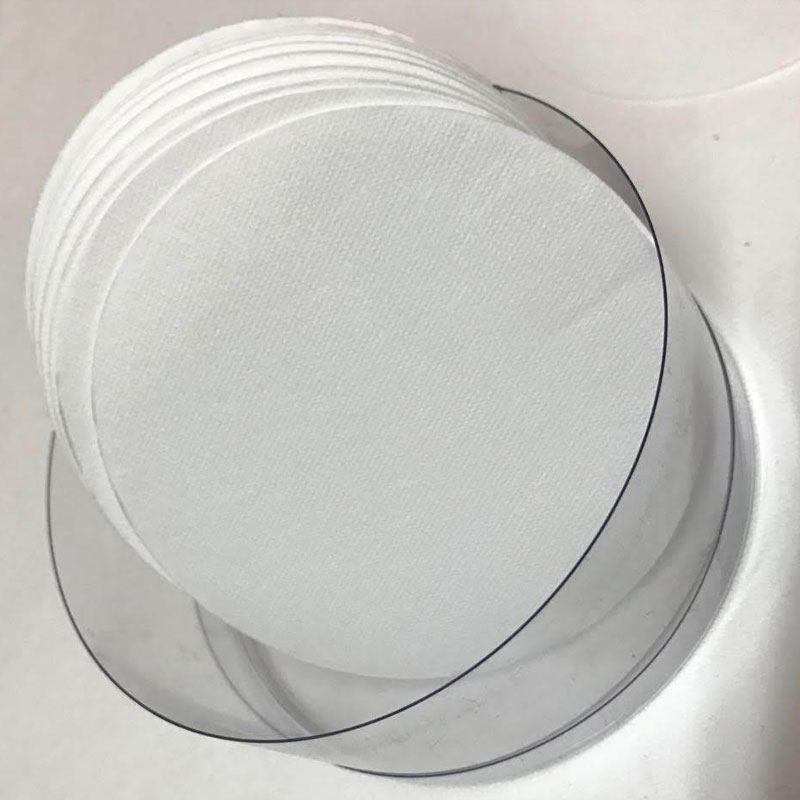
However, with the advent of new testing methods and higher requirements for filtration efficiency in the 1980s, problems with HEPA filters were discovered. To solve these problems, ULPA filters with improved performance have been developed.
02 Classification and characteristics of air filters
Basis of classification and standards
Air filters are strictly classified according to filtration accuracy and usage, and relevant standards have been set to ensure design specification and optimization. According to differences in cleaning efficiency, air filters can be divided into different types and have their own performance characteristics.
Typically, filters are tested using the airborne dust count method, while high-efficiency filters are most often tested using the DOP method. The testing process involves two indicators: weighing efficiency and counting efficiency. Counting efficiency is expressed as the mass concentration of dust concentration, and counting efficiency is measured as dust concentration counting concentration. In addition, there is sodium flame efficiency, which uses sodium chloride solid particles as the dust source and the concentration of sodium chloride particles is measured using a photoelectric flame photometer, which is comparable to counting efficiency.
Common types of air filters
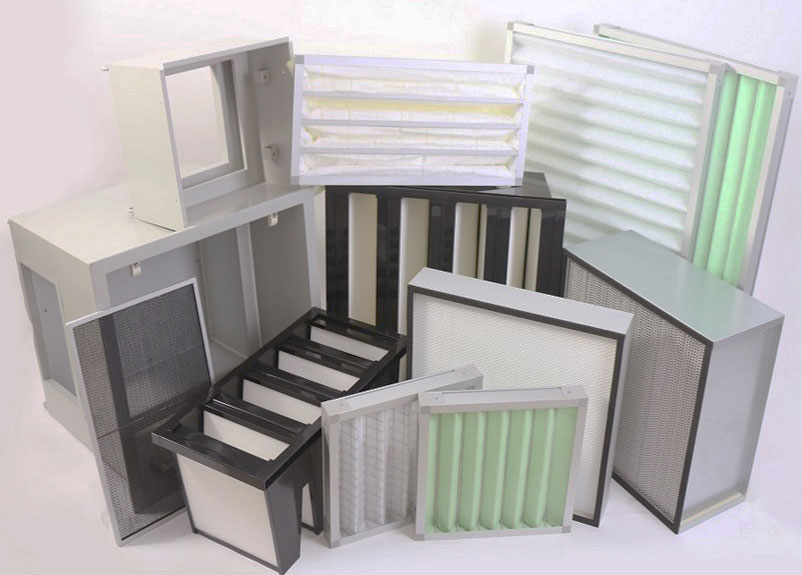
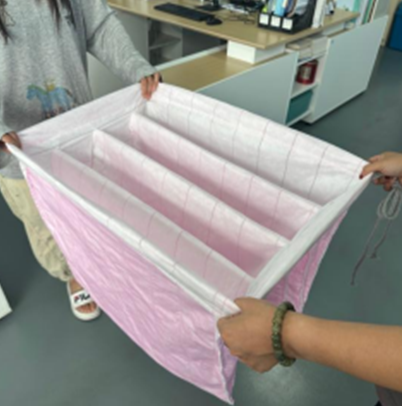
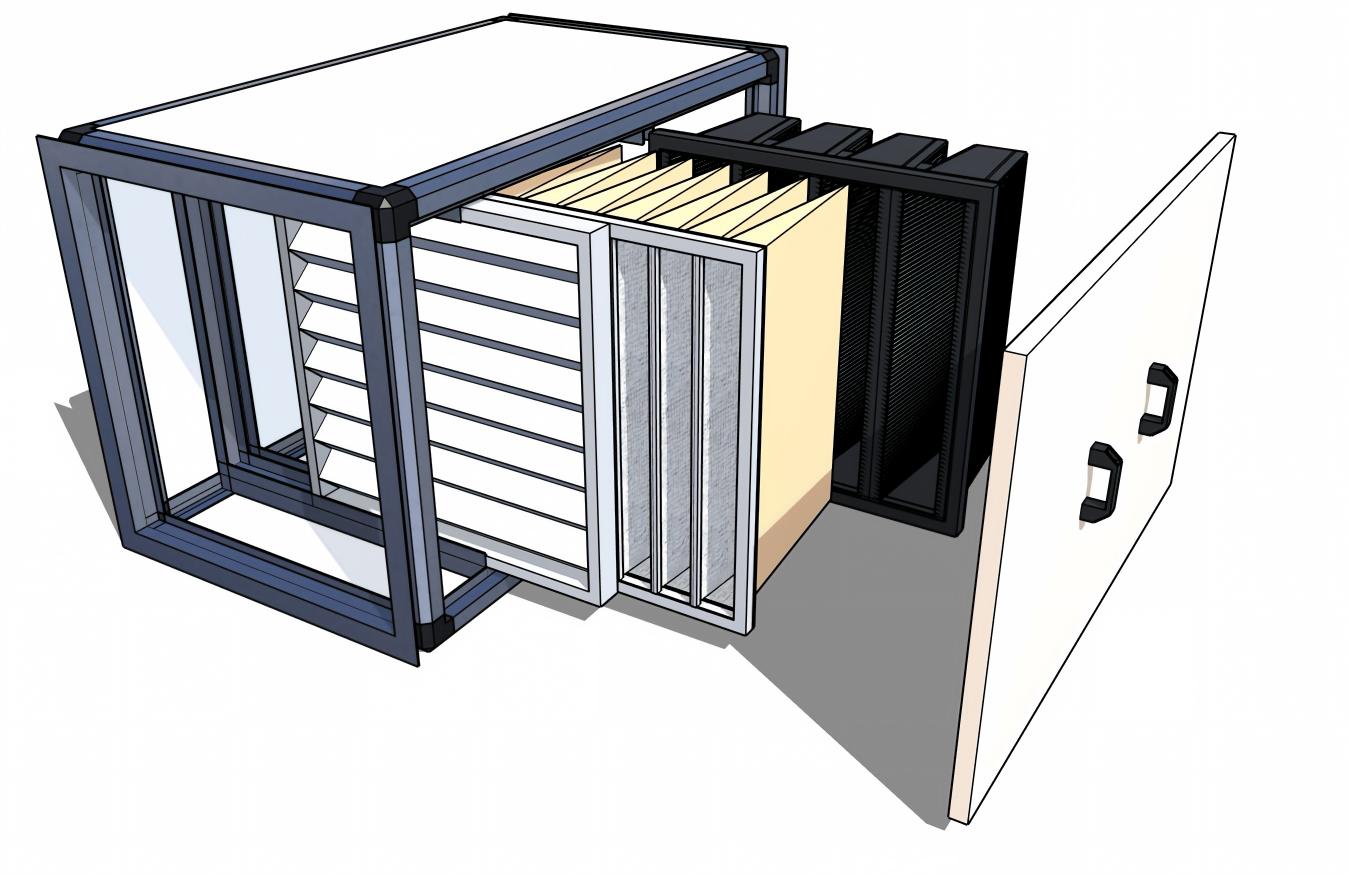
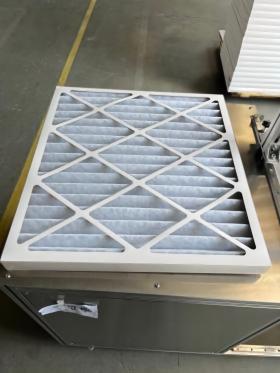
Common types include coarse, medium and high efficiency filters, each of which meet specific environmental requirements and standards and offer a wide range of cleaning solutions. Primary air filters are usually used in the filtration sections of general ventilation equipment or for primary filtration in fresh air supply systems and are characterized by a self-replaceable filter material, but paper-framed primary filters are disposable. Medium-action pleated air filters are suitable for air purification in ventilation systems, electronics, pharmaceuticals and other fields, their advantages are high efficiency and large dust capacity. Medium efficiency baghouse air filters are often used in central ventilation systems for centralized air conditioning, which reduces the load on high efficiency filters and extends their service life, while at the same time they are characterized by low resistance and high dust holding capacity. Activated carbon filters can effectively remove odors, volatiles, bacteria, viruses and other pollutants in the air, and their highly developed microporous structure ensures high adsorption capacity and fast adsorption and desorption performance. However, it should be noted that when using activated carbon, filtration must have a pre-filtration stage to prevent other contaminants from reducing the effectiveness of the activated carbon.
03 Current development and future of air filters
Technological improvements and challenges
Currently, the field of air filters continues to evolve and more advanced products are expected to emerge. Among them, much attention has been drawn to the development of baffleless filters, the design of which not only increases the efficiency and filtration area, but also reduces air flow resistance and saves energy. In addition, the performance of air filters in terms of high temperature and corrosion resistance, as well as waterproof and bacteria resistance has also been greatly improved to meet more special needs.
New materials and filter designs
Foam filters are characterized by the presence of a filter layer of polyethylene or polyester foam, which, before use, is subjected to a special chemical treatment so that the internal pore film penetrates and forms a series of interconnected pores. When an air flow saturated with dust passes, the dust adheres to the walls of the pores due to inertia, diffusion, etc., thereby purifying the air. New materials such as foam and fiber media improve filtration efficiency and are suitable for a wide range of air purification applications in a variety of applications.
Fiber media filters, on the other hand, consist of a frame and filter material. The choice of filter material depends on the specific requirements for efficiency and durability, for example, glass fibers (with a diameter of about 10 μm) and synthetic fibers (for example, polystyrene) are possible. In addition, media density has a significant impact on filter efficiency and durability, so filter thickness and media density should be determined according to the specific application needs.