-


-


-


-


whatsapp

-
WeChat


Product Value Analysis: The Air Supply Ceiling is the “Invisible Line of Defense” for Medical Cleanrooms
2026-05-13
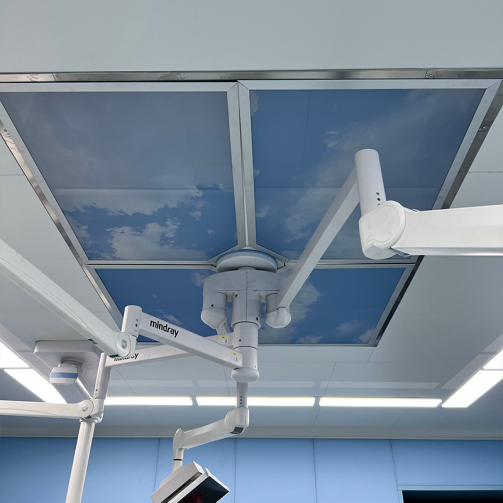
The ceiling air supply panel, located at the top of the hospital operating room, provides a steady flow of clean air into the surgical area.
In operating rooms, intensive care units, sterilization rooms and other places where air purity requirements are extremely stringent,Air supply ceilingIt acts as a critical terminal device that determines the cleanliness class of the internal environment and prevents the proliferation of microorganisms. Much more than just an air supply unit, it is a complete, integrated solution - covering filtration, airflow equalization, sealing, installation and maintenance - that has a direct impact on both the effectiveness of a healthcare facility's infection control system and the overall life cycle cost of the equipment.
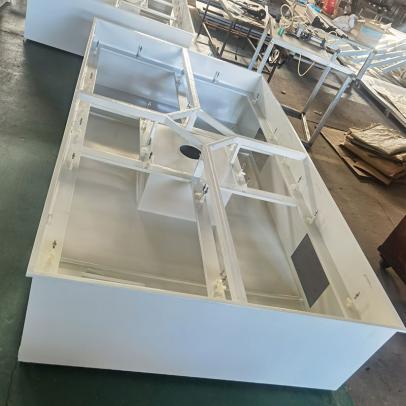
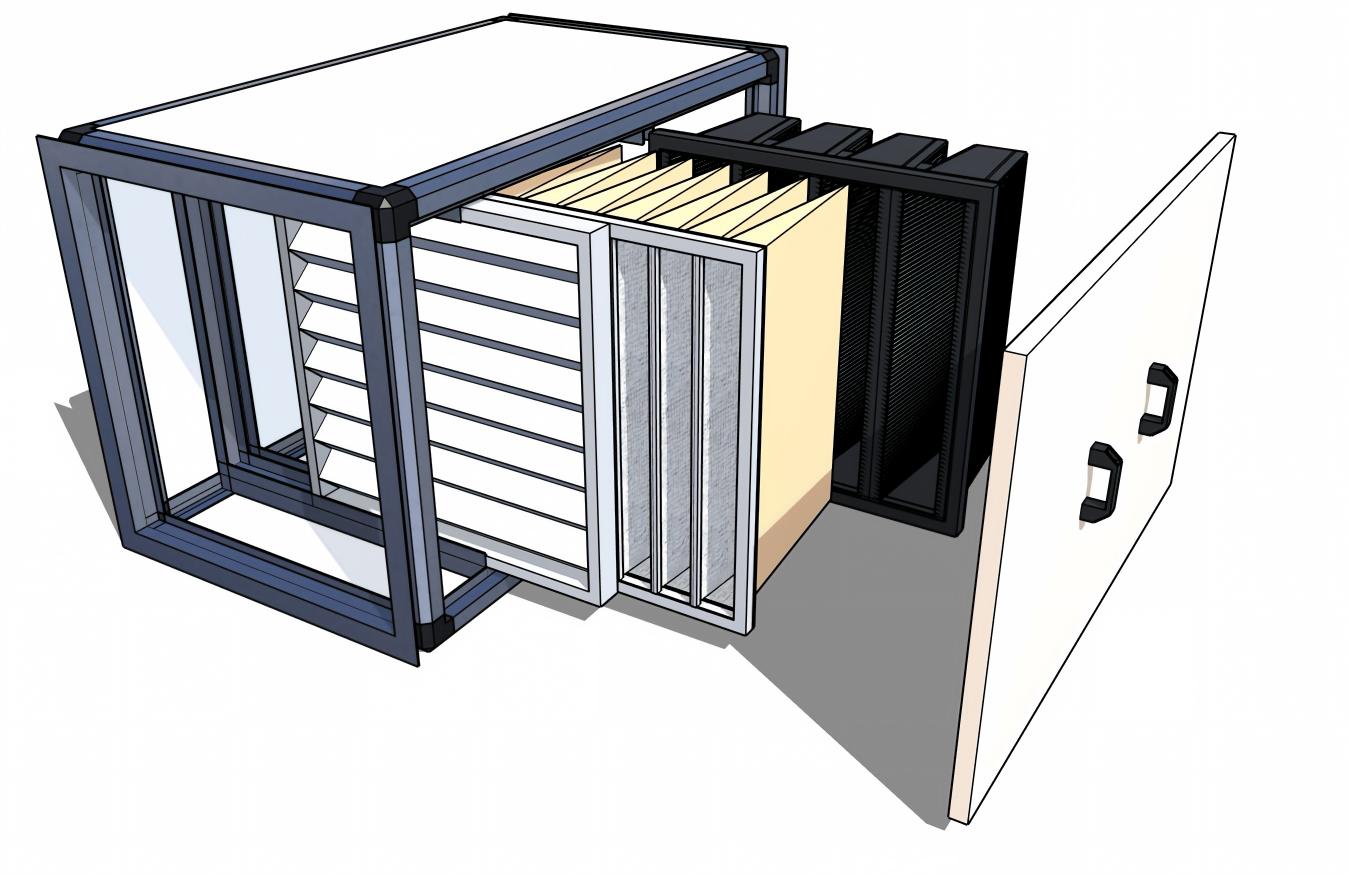
The modular design of the operating room air supply ceiling makes it easy to install and replace filters.
I. Key Technologies and Industry Standards: Beyond “Efficient Air Delivery”
The requirements for ceiling air systems in medical cleanrooms far exceed those of standard commercial equipment. Dedicated ceiling air systems must simultaneously meet a number of industry standards:
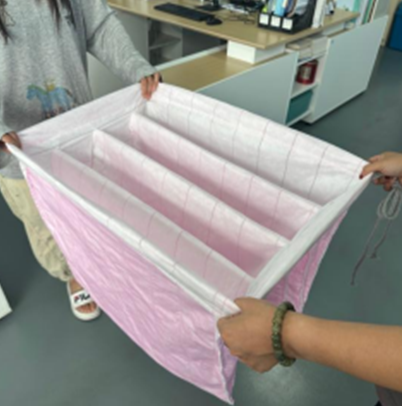
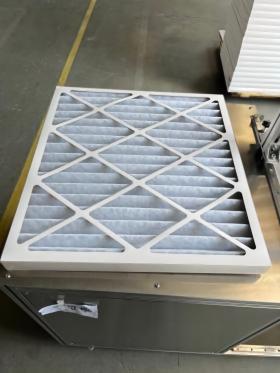
Filtration and Purity: Built-inHigh efficiency mini pleat filter The system must meet H13/H14 standards, providing a filtration efficiency of ≥99.97% for particles 0.3 µm in size and a bacterial and viral aerosol capture efficiency close to 100%. This fully meets the Class 100/1000 clean area requirements set out in the *Technical Specifications for the Design and Construction of Clean Operating Rooms in Hospitals*.
**Air Flow Management:** The integrated design combines a top-mounted flow equalization membrane (or plate) with a plenum to ensure even air distribution. This creates a stable vertical laminar flow, preventing the occurrence of local turbulence and dead zones, thereby ensuring that the cleanliness level in the operating area consistently meets the required standards.
**Sealing and Construction:** The unit features a one-piece, powder-coated, cold-rolled steel frame that, when combined with a sealing system (either liquid seal or dry seal), completely eliminates air leakage around the perimeter. The modular structure facilitates on-site installation and subsequent maintenance, eliminating the need for large-scale dismantling of the suspended ceiling.
II. Scenario Value: Solving Three Key Customer Problems in Healthcare
**Lack of consistency in cleanliness levels:** Traditional air supply equipment often suffers from uneven flow and edge leaks, resulting in local cleanliness levels below standard values and increasing the risk of hospital-acquired infections. The integrated sealing structure and airflow equalization system in our ceiling air supply module ensures long-term operational stability, thereby minimizing fluctuations in cleanliness levels.
**Difficulties in maintenance and replacement:** In earlier models, replacing filters required dismantling the suspended ceiling - a process that not only disrupted the normal operation of the operating room, but also could lead to depressurization of the ceiling structure. Our ceiling air supply module is designed for quick service access and allows filters to be changed directly from below without affecting the suspended ceiling. The whole process takes only 10–15 minutes, without interfering with the department’s work.
**Contradiction between service life and cost:** Some budget models use filter materials with low dust holding capacity, as well as frames that are susceptible to corrosion; this entails the need for frequent replacement of equipment and, as a result, increases long-term operating and maintenance costs. Our ceiling air supply module uses a corrosion-resistant powder-coated frame combined with high-efficiency fiberglass filter materials with high dust holding capacity. Under normal operating conditions, the filter service life can reach 12–18 months, which can significantly reduce the total cost of equipment ownership for the client.
III. Selection and Maintenance: Practical Tips to Avoid Common Mistakes
**Model selection and compatibility:** Selecting the appropriate model should be based on the specific cleanliness class of the room, the required air flow volume and ceiling height. For Class 100 operating rooms, it is extremely important to use the system in conjunction with an air supply ceiling equipped with a membrane to equalize the air flow; this is necessary to ensure effective formation of vertical laminar flow. **Installation Guidelines:** When installing liquid seal air supply ceilings, you must ensure that the sealant in the gutter is evenly distributed and free of air bubbles. Upon completion of installation work at the site, a leak test is mandatory; commissioning of equipment is allowed only after confirmation of the complete absence of leaks.
**Routine Maintenance:** It is recommended that the air supply ceiling surface be cleaned quarterly and filters replaced every 6-12 months. Replacement of filters must be carried out in strict accordance with aseptic work protocols to avoid secondary contamination of the room.
The air supply ceiling acts as the “last line of defense” in medical cleanroom air purification systems; its effectiveness directly impacts patient safety and the effectiveness of infection control measures. Selecting products that comply with regulatory requirements and are compatible with other equipment not only ensures compliance with current cleanliness standards, but also provides the customer with long-term cost savings and high operational reliability through features such as minimal leakage, ease of maintenance and extended service life.